Chase intent, not search volume
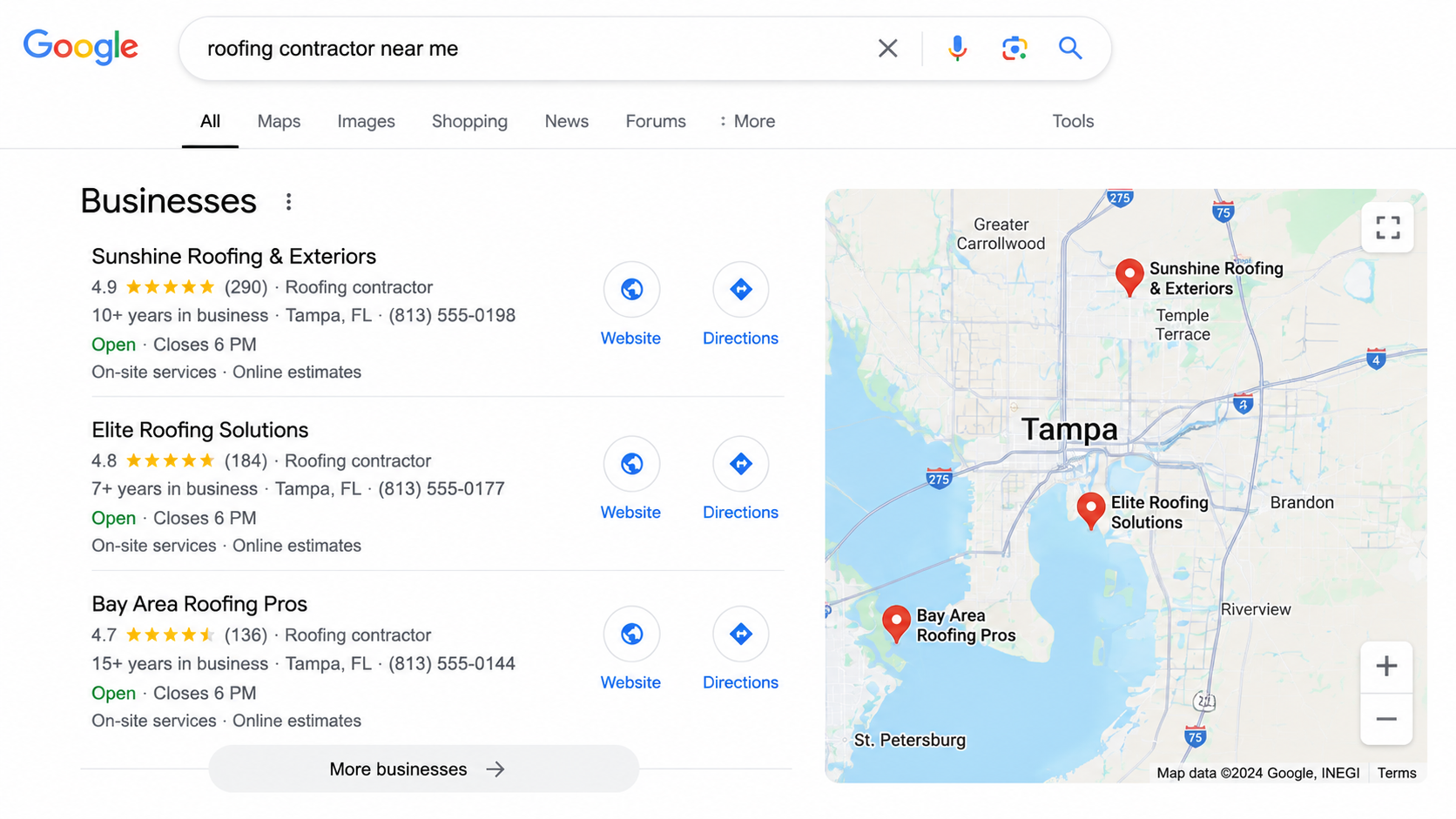
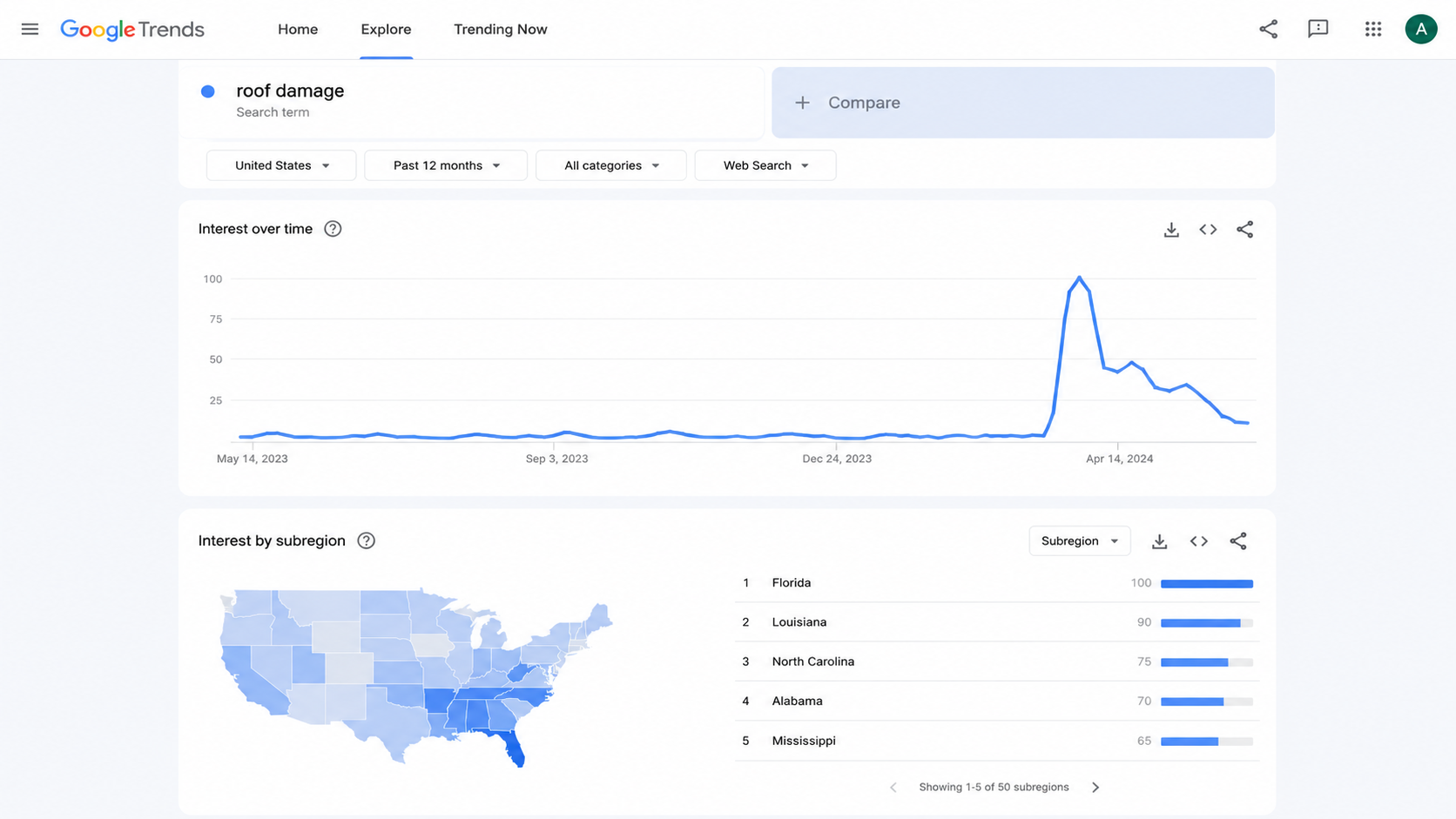
"Metal roof" gets searched 50,000 times a month. "Emergency roof leak repair [your city]" might get 90. New roofers instinctively chase the big number — and lose money doing it. The big term is mostly students, browsers and DIYers. The tiny term is a homeowner with a bucket under a leak, ready to pay today.
Every search sits somewhere on a ladder of buying intent. Understanding that ladder is the entire game.
Volume vs. difficulty vs. value
Every keyword has three numbers that matter. Volume (how many search it), difficulty (how hard it is to rank), and value (how likely a searcher is to become a paying job). The trick is that these rarely line up — and value should almost always win:
How a keyword list becomes a site structure
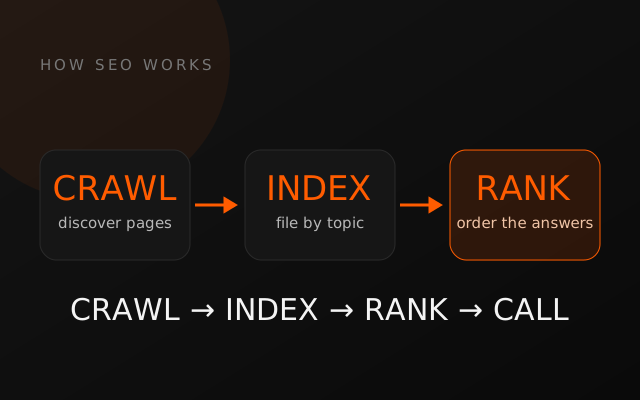
Once you have the right keywords, each cluster becomes a page. Don't cram them all onto the homepage — give each intent its own home so Google can file it cleanly (remember: indexing only works when a page has one clear topic).
Great keyword research isn't a spreadsheet of big numbers — it's a map of what your future customers type at each stage, matched to a page built to answer it. Own the high-intent local terms first, then work down the ladder. That's how you turn searches into a full calendar. Want the list built for your service area? Grab a free audit.
More from the field